XLUX Soil Moisture Sensor Meter Water Monitor, Hygrometer for Gardening, Farming,Plants, No Batteries Required, 2 Pack — In-Depth Review
Quick verdict
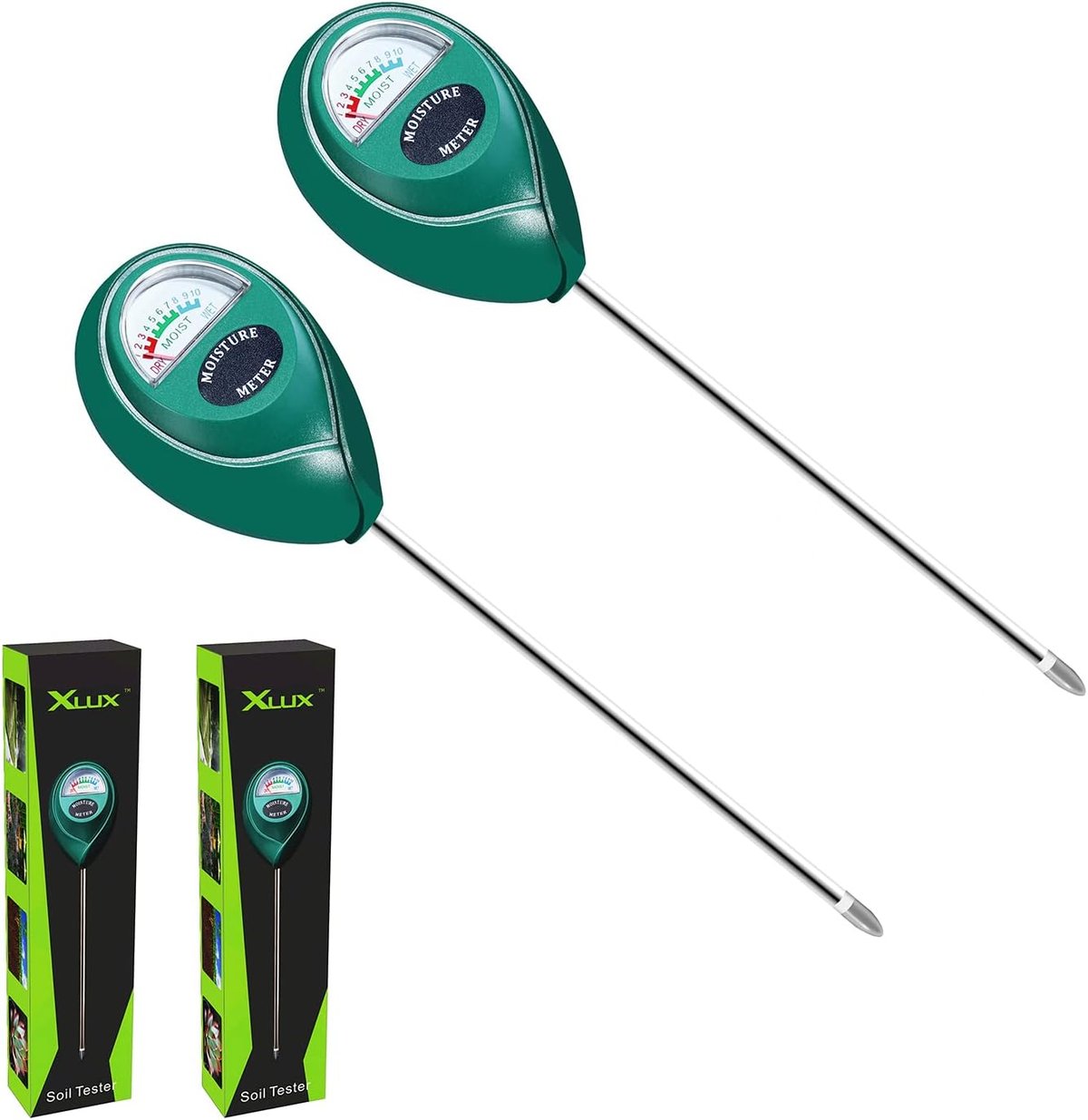
The XLUX Soil Moisture Sensor Meter is a dead-simple, battery-free tool that takes the guesswork out of watering. At around $20 for a two-pack, it's a no-brainer for landscapers doing handovers, tradies maintaining site gardens, or any small business owner who doesn't want to kill the office plants. Skip it if you need precise readings for professional horticulture or smart-home integration—this is an analogue workhorse, not a lab instrument.
What it is
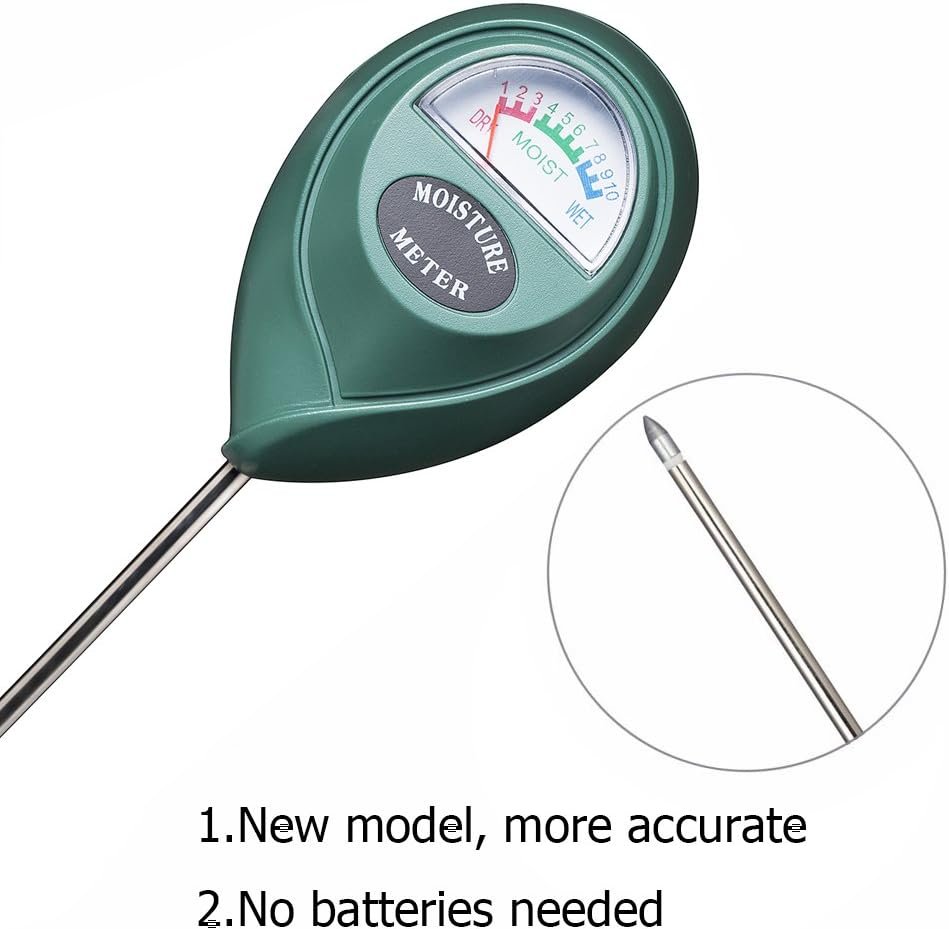
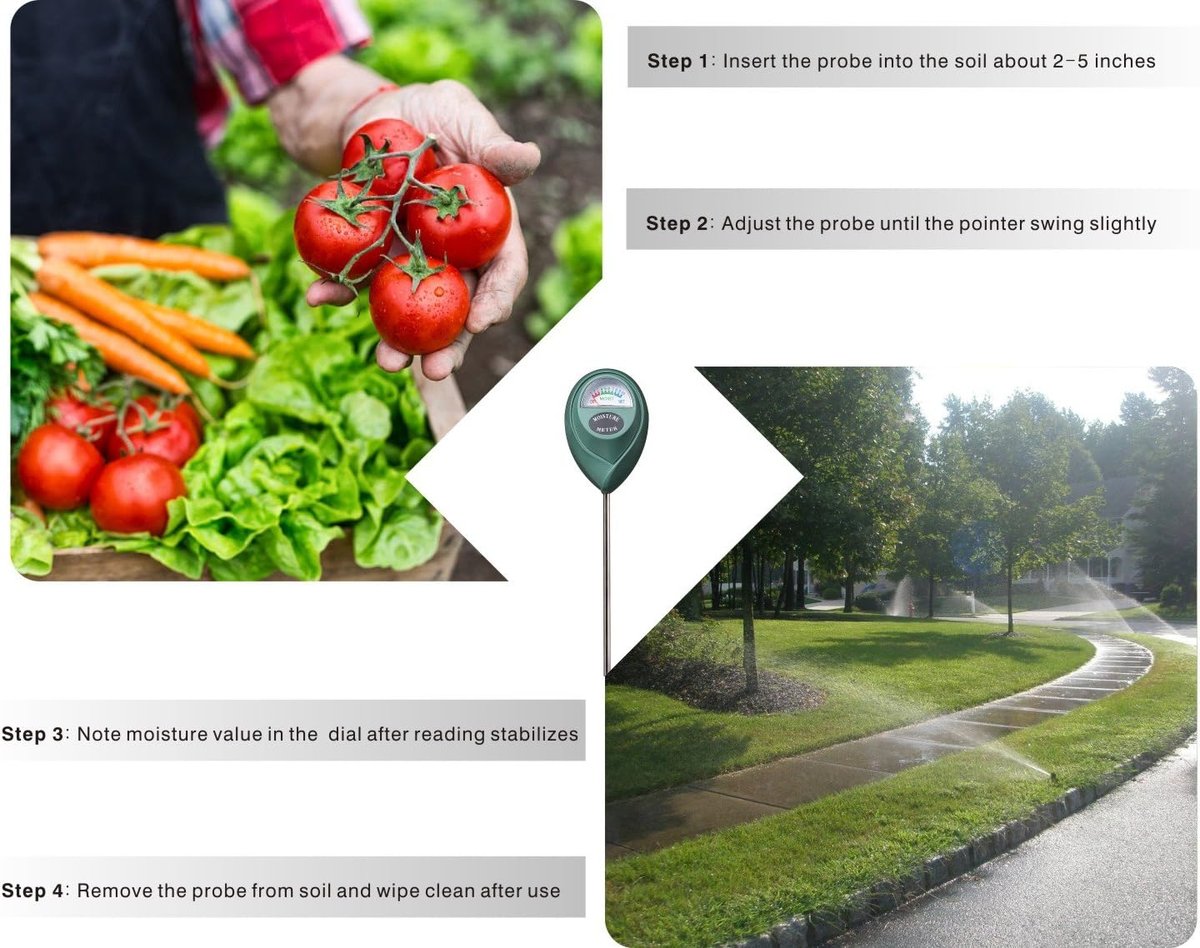
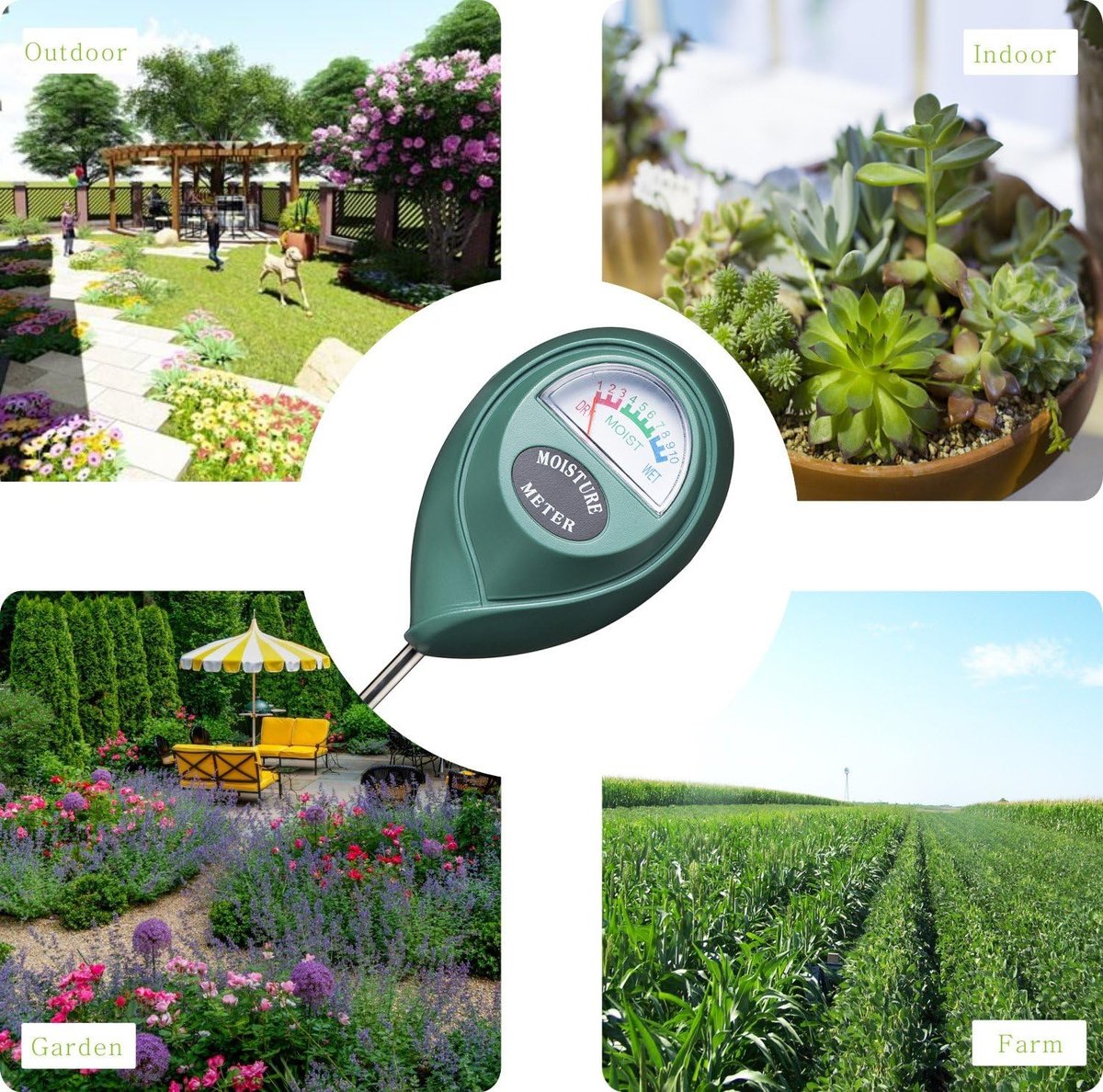
This is a basic analogue soil moisture meter. You stick the probe into the soil, and a needle on the dial shows you whether the ground is dry, moist, or wet. No batteries, no apps, no calibration—just instant feedback on whether your plants need water.
For trade businesses, the practical application is straightforward: landscapers can check soil conditions before planting or use it during client handovers to demonstrate proper watering zones. Builders maintaining site landscaping or tradies with a few pot plants at the office can stop second-guessing and actually know when to water. The two-pack means you can leave one in the ute and one at home or the workshop.
Key features
- No batteries required — The probe generates its reading through galvanic reaction with soil moisture, so there's nothing to charge or replace.
- Instant analogue readout — A simple colour-coded dial (typically red for dry, green for moist, blue for wet) gives you results in seconds.
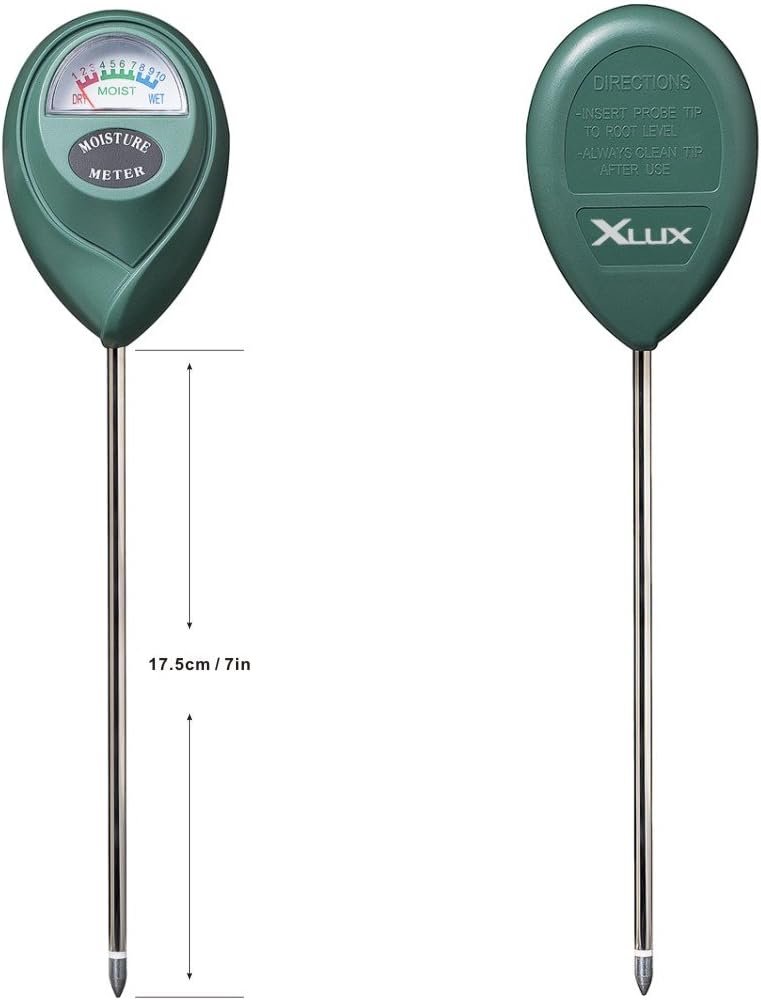
- Single-probe design — One metal probe, usually around 20cm long, suitable for pots and garden beds.
- Two-pack included — Handy for keeping one on-site and one elsewhere, or for checking multiple areas simultaneously.
- Lightweight and compact — Typically weighs under 50 grams per unit, easy to toss in a toolbox or glove box.
Pros
- Genuinely useful simplicity — No setup, no pairing, no software updates. Stick it in the soil and read the dial. That's the kind of tool busy tradies appreciate.
- Excellent value — At under $20 for two units, the cost barrier is basically non-existent. If one breaks or goes walkabout, you're not out much.
- No ongoing costs — Battery-free means no recurring expense and one less thing to fail when you actually need it.
- Strong user validation — With over 67,000 reviews and a 4.5-star rating, this product has been tested by a huge range of users in real conditions.
- Practical for client demonstrations — Landscapers can show homeowners exactly how to check their new garden beds, adding a professional touch to handovers.
Cons and things to consider
- Analogue accuracy has limits — This isn't a scientific instrument. Readings can vary depending on soil type, salinity, and how deep you insert the probe. Treat it as a guide, not gospel.
- Probe durability — The metal probe can corrode over time, especially if left in soil or exposed to fertilisers. Wipe it clean after each use and store it dry.
- Not suitable for deep root zones — The probe length (typically 20cm) works for pots and shallow beds, but won't tell you what's happening 30cm down where tree roots live.
- No data logging or connectivity — If you want to track moisture over time or integrate with irrigation automation, you'll need a digital smart sensor instead.
Who it's best for
- Landscapers — Perfect for checking soil before planting, verifying irrigation coverage, or handing over to clients with a quick demonstration.
- Tradies with site gardens or office plants — Stops the guesswork. Water when the dial says dry, leave it alone when it doesn't.
- Small business owners — Keep the reception area plants alive without overwatering or underwatering. It's a $10-per-unit solution to a surprisingly common problem.
- Property maintenance contractors — Quick spot-checks on client properties without hauling out complicated equipment.
Who should look elsewhere
- Professional horticulturalists or agronomists — If you need precise moisture percentages, data logging, or integration with irrigation systems, invest in a digital sensor with app connectivity.
- Large-scale farming operations — A 20cm probe won't cut it for broad-acre cropping or deep-rooted orchards. Look at commercial-grade soil monitoring systems.
- Smart-home enthusiasts — This won't talk to your home automation setup. If you want automated watering triggers, you need a Wi-Fi-enabled sensor.
Bottom line
The XLUX Soil Moisture Sensor Meter does one job and does it well enough for most practical purposes. It's cheap, it's simple, and it works without batteries or fuss. For landscapers, tradies, and small business owners who just want to know whether to water or not, it's hard to argue with the value. Don't expect laboratory precision, but for everyday use—checking pots, garden beds, or site landscaping—this two-pack earns its spot in the toolbox or the office drawer.