K KNODEL Leather Desk Mat, Office Desk Pad, Large Mouse Pad, Keyboard Pad, Computer and Laptop Mat for Desk, Desk Protector, Desktop Mat for Writing, Desk Blotter and Cover (80x40cm, Dark Green) — How to Use & Practical Guide
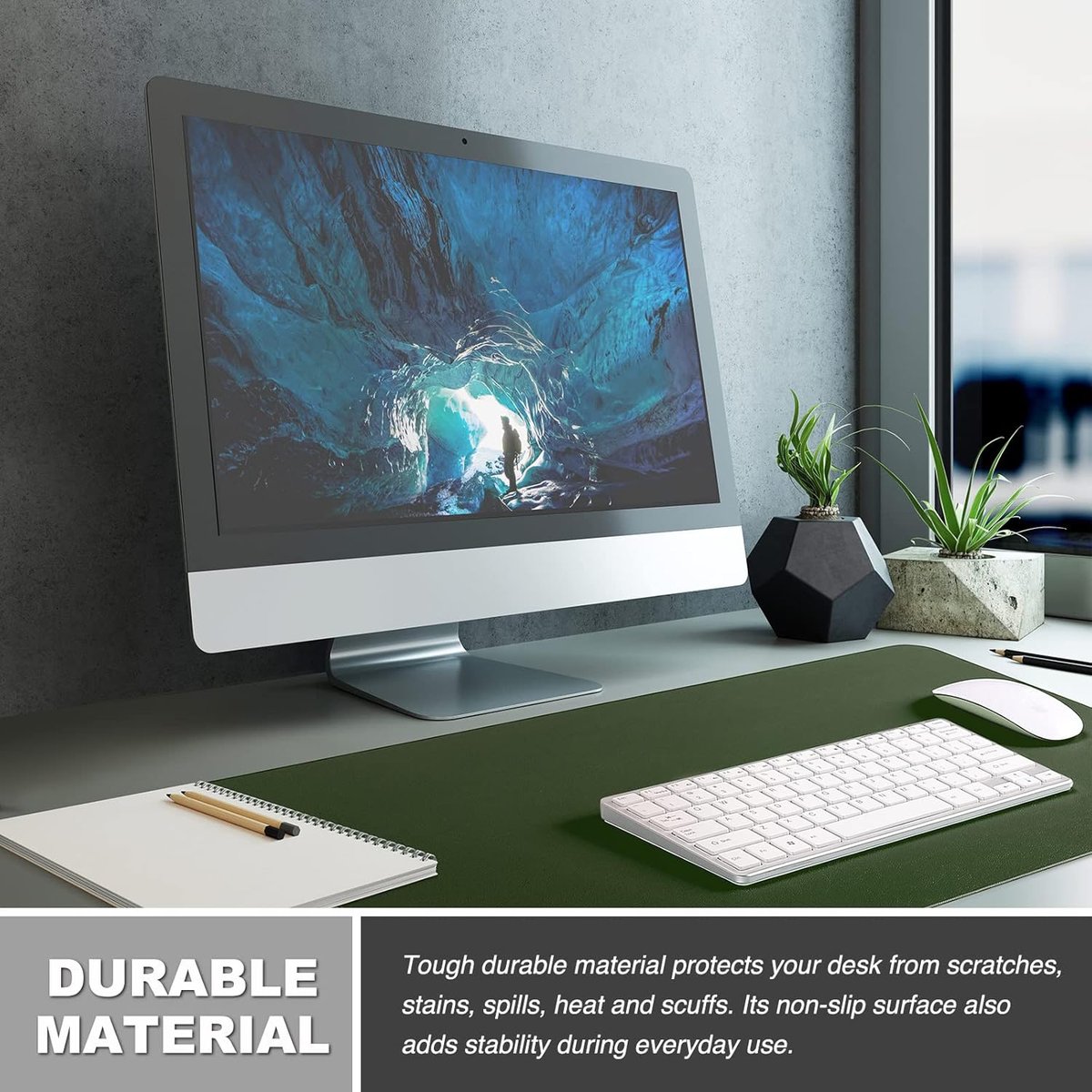
What this fixes for you
If your desk looks like a warzone of coffee ring stains, pen marks, and mouse-pad clutter, a quality desk mat sorts it out in one hit. The K KNODEL Leather Desk Mat gives you a single, clean surface that protects your desk from daily wear while doubling as an oversized mouse pad. For tradies running admin from a home office or site container, and small-business owners who spend hours quoting and invoicing, it's a simple upgrade that makes your workspace feel more organised without spending big. At under $20 for an 80x40cm surface, it's a low-risk fix for a messy desk situation.
Before first use
- Unroll and flatten: The mat typically arrives rolled in packaging. Unroll it and lay it flat on your desk for at least a few hours—overnight is better—to let any curl relax out.
- Clean your desk surface: Wipe down your desk with a damp cloth before placing the mat. Any grit underneath can cause bumps or accelerate wear on the mat's underside.
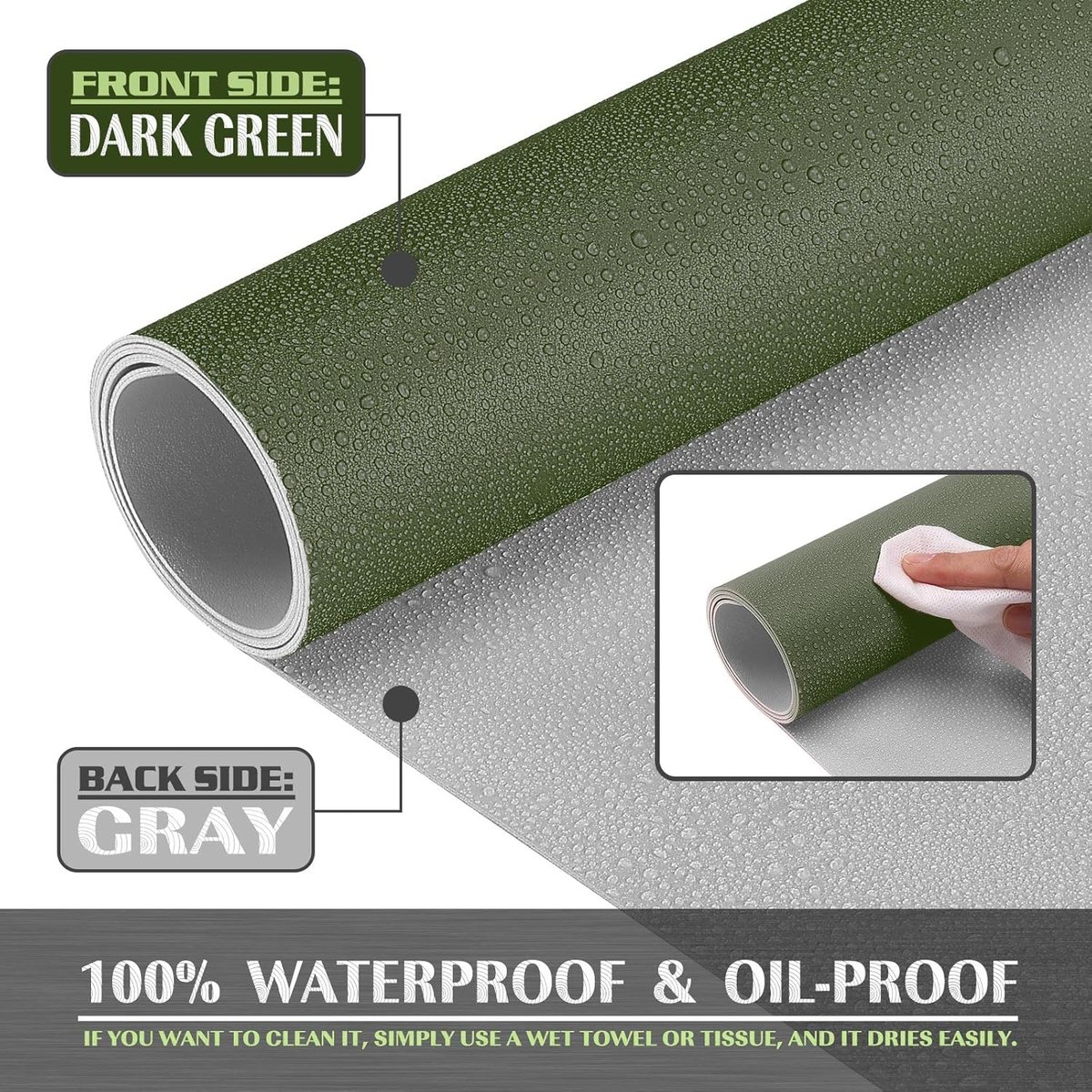
- Check orientation: Confirm which side is the working surface (the leather-textured side) and which is the non-slip backing. The backing should sit directly on the desk.
- Inspect for defects: Give it a quick once-over for any manufacturing marks or damage from shipping. At this price point, issues are rare, but it's worth checking before you commit to positioning.
First-time setup
- Clear your desk: Remove your keyboard, mouse, monitor stands, and any loose items. You want a clean slate to position the mat properly.
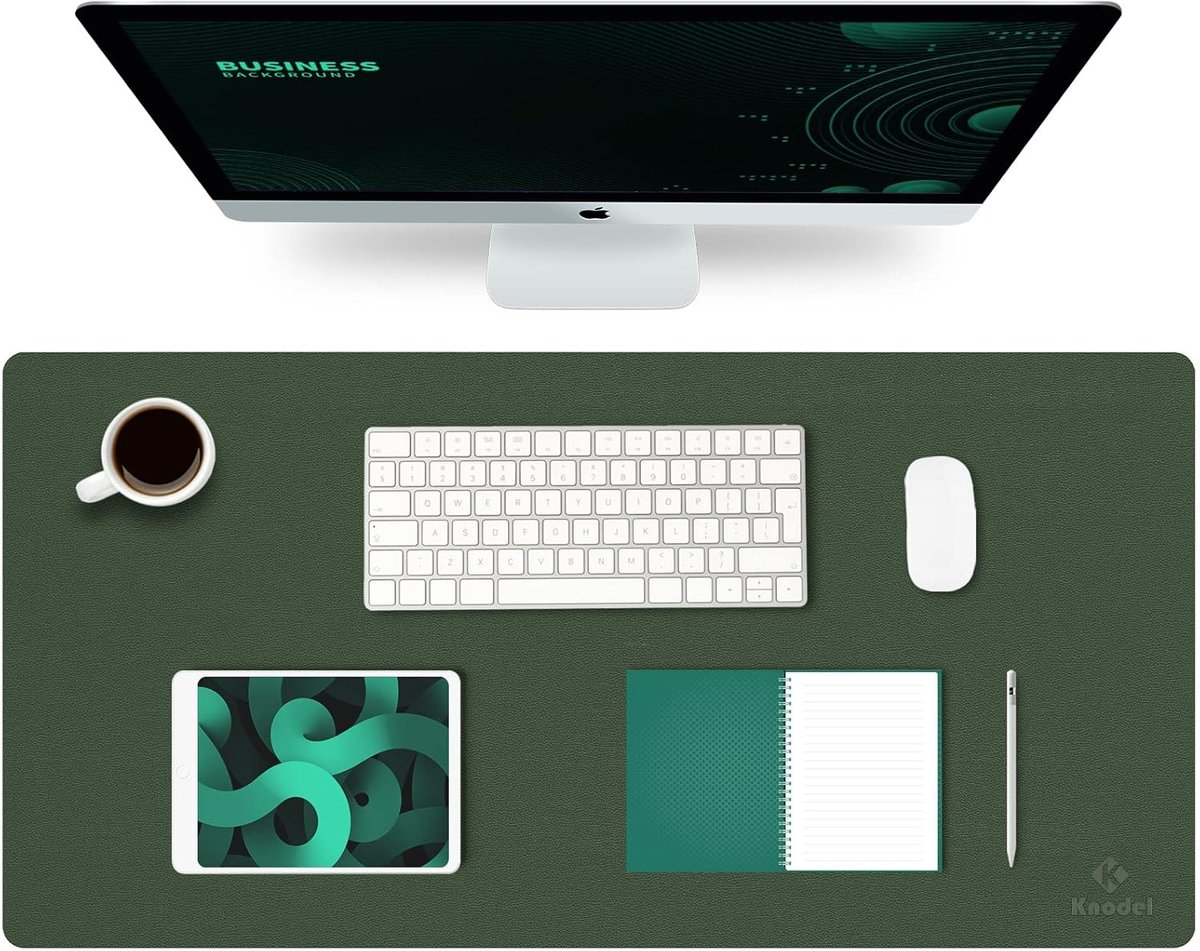
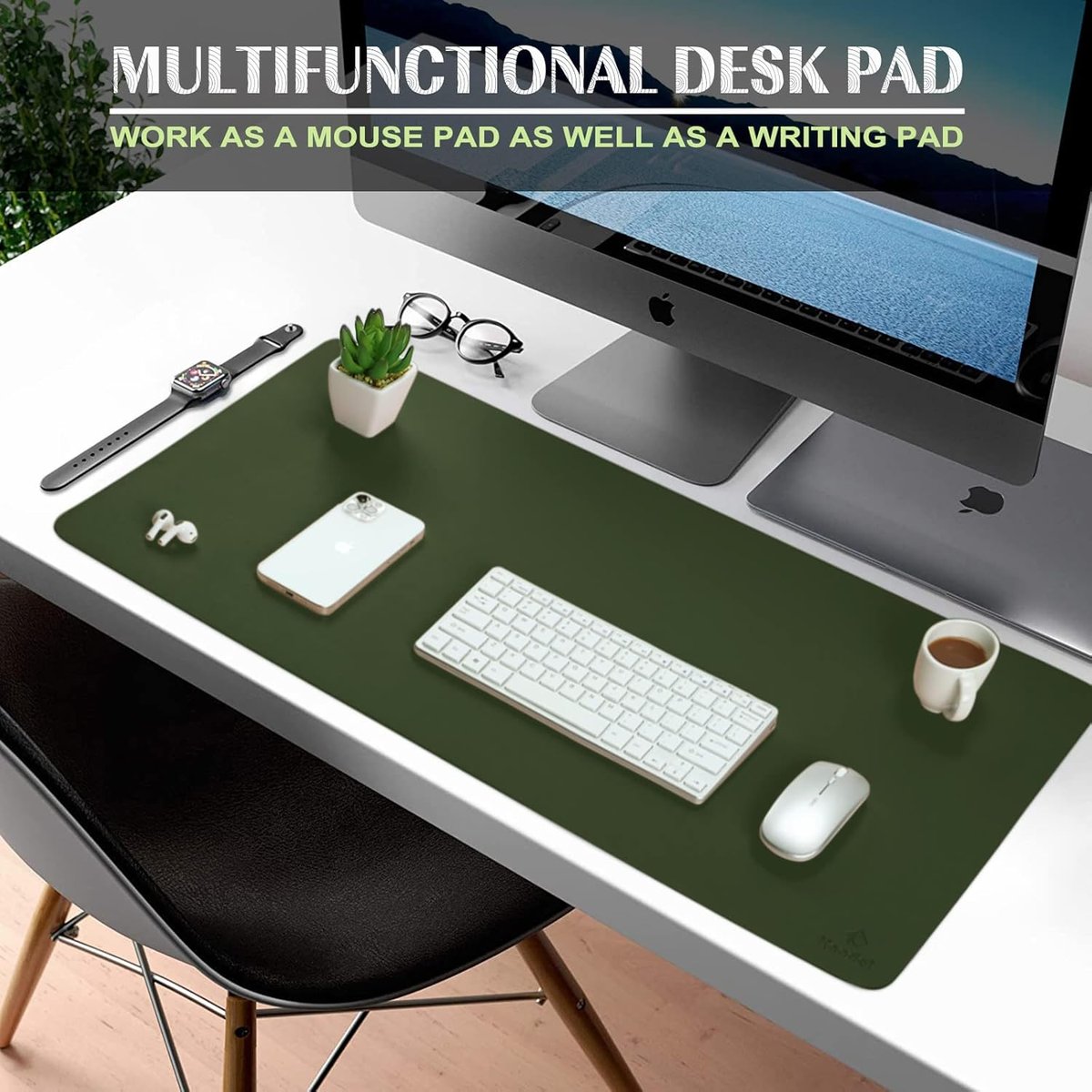
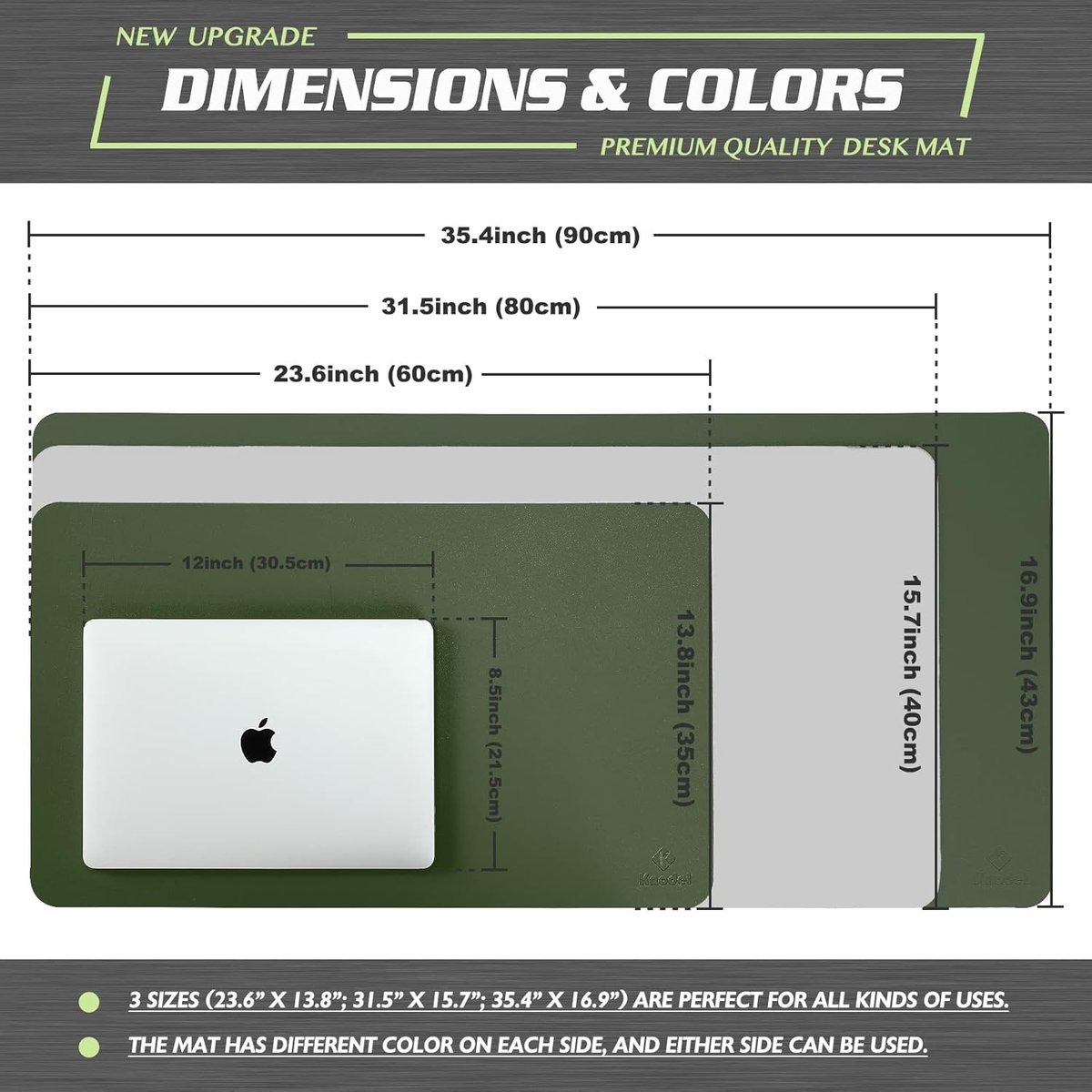
- Position the mat: Centre the mat where your keyboard and mouse will sit. The 80x40cm size should comfortably fit both, with room to spare for a notepad or phone.
- Place your keyboard: Set your keyboard on the mat, leaving enough space at the front edge to rest your wrists if needed.
- Test your mouse: Move your mouse across the full surface. Most optical and laser mice track well on this type of faux-leather material, but confirm yours works smoothly before locking in your layout.
- Arrange peripherals: Position your phone, pen holder, or drink coaster on the mat's edges. The mat now defines your "active work zone."
Daily-driver tips
- Use a coaster: The mat is water-resistant to a degree, but hot mugs can leave marks over time. A coaster takes two seconds and saves you from heat damage.
- Wipe spills immediately: Coffee or water sitting on faux leather can seep into seams. A quick wipe with a dry cloth prevents staining.
- Keep sharp objects clear: Stanley knives, box cutters, and loose screws will scratch or puncture the surface. If you're doing paperwork alongside site gear, keep the sharp stuff off the mat.
- Rotate occasionally: If your mouse lives in the same spot daily, the surface can wear unevenly. Rotating the mat 180 degrees every few months distributes wear.
- Double as a writing surface: The slight cushion makes the mat surprisingly good for handwriting notes or signing documents—better than bare desk or thin paper.
Common pitfalls
- Expecting genuine leather performance: This is PU (faux) leather, not the real thing. It looks smart and does the job, but don't expect it to age like a quality leather wallet. It's a functional product at a functional price.
- Ignoring the curl: If you start using the mat before it fully flattens, the edges can lift and catch on your mouse or paperwork. Give it time to settle.
- Using harsh cleaners: Alcohol-based sprays or abrasive cloths can damage the surface coating. Stick to a damp microfibre cloth for cleaning.
- Sliding on glossy desks: While the backing is designed to grip, very smooth or freshly polished surfaces may allow some movement. If this happens, a small piece of non-slip drawer liner underneath solves it.
Maintenance and longevity
Keeping this mat in good nick is straightforward. Once a week, wipe it down with a slightly damp microfibre cloth to remove dust, crumbs, and any oils from your hands. For stubborn marks, a tiny amount of mild dish soap on the cloth usually does the trick—just wipe it dry afterwards.
Store the mat flat if you need to move it. Rolling it tightly or folding it can create permanent creases that won't come out. If your office gets direct afternoon sun, consider repositioning the desk or using blinds; prolonged UV exposure can fade and dry out PU leather over time.
When to upgrade or replace
At this price point, the K KNODEL mat isn't meant to last a decade. Expect solid performance for one to two years with daily use. Signs it's time for a replacement include visible cracking or peeling of the surface, permanent staining that cleaning won't shift, or worn patches where your mouse tracks. If you find yourself using the mat constantly and want something more durable, stepping up to a genuine leather desk pad in the $60–$100 range will give you better longevity and a surface that actually improves with age. But for most home offices and small-business setups, replacing this budget-friendly option every couple of years is a perfectly reasonable approach.