Stop Guessing When to Water: Better Picks Than the XLUX 2-Pack
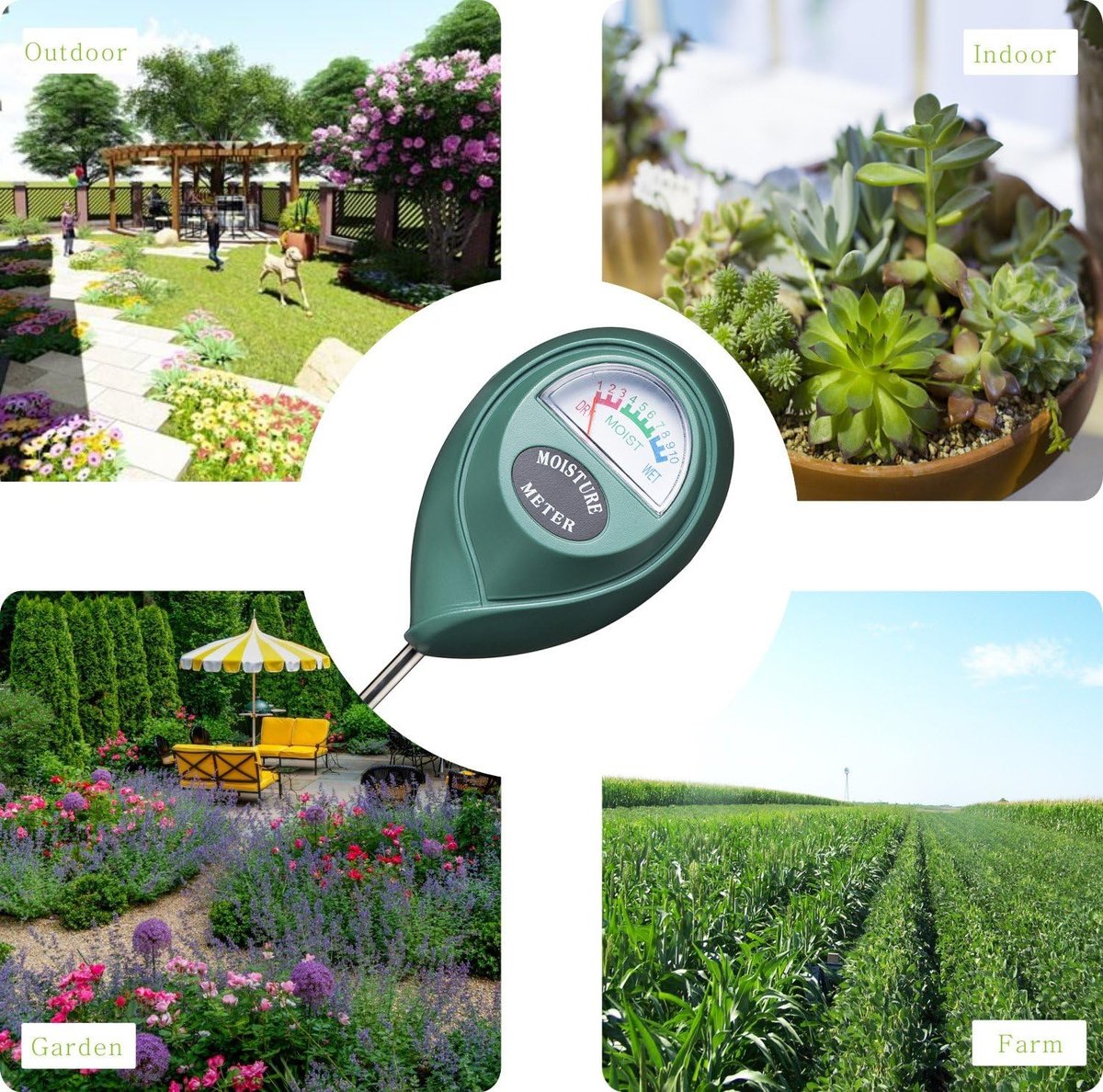
Why look at alternatives?
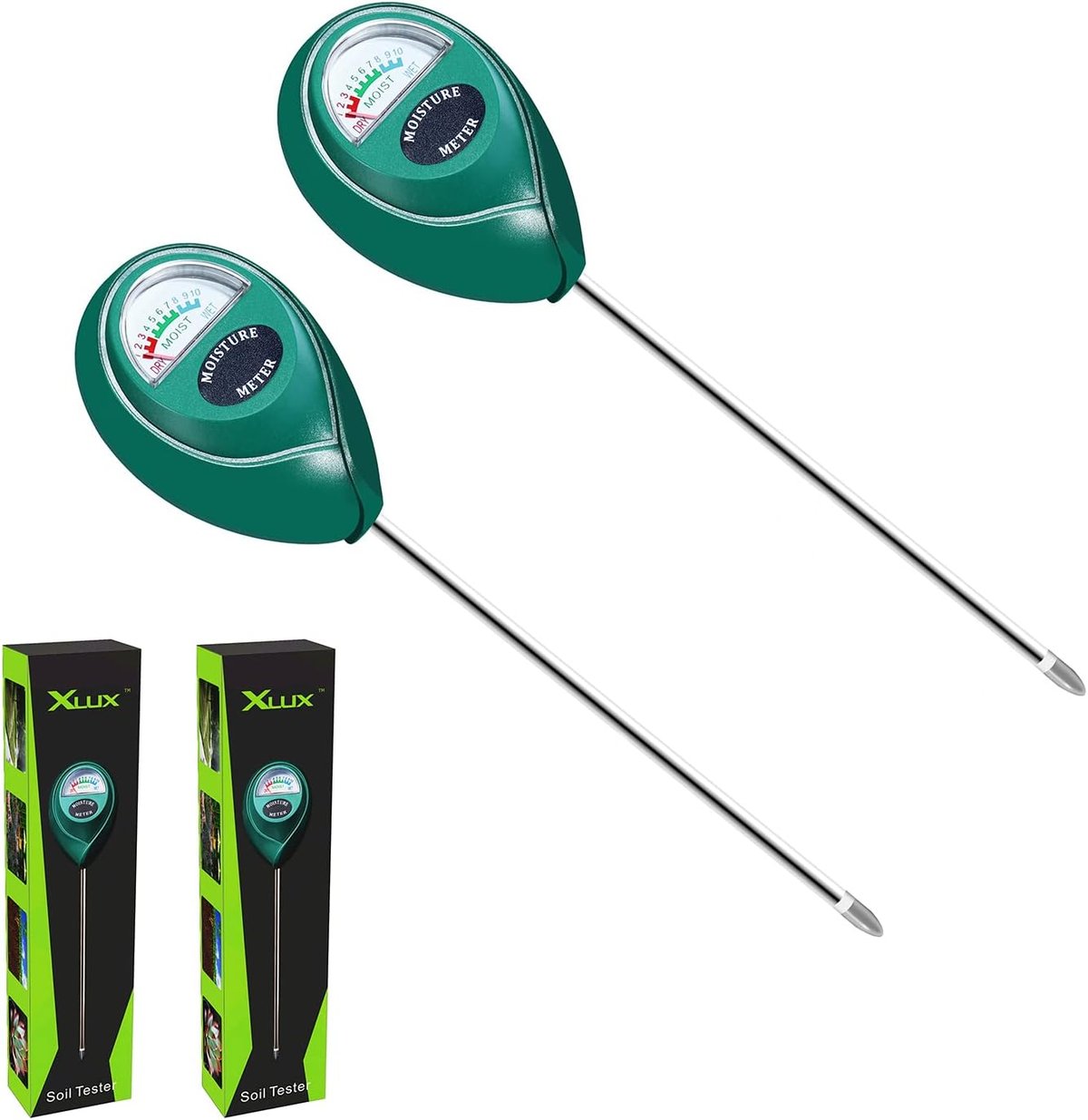
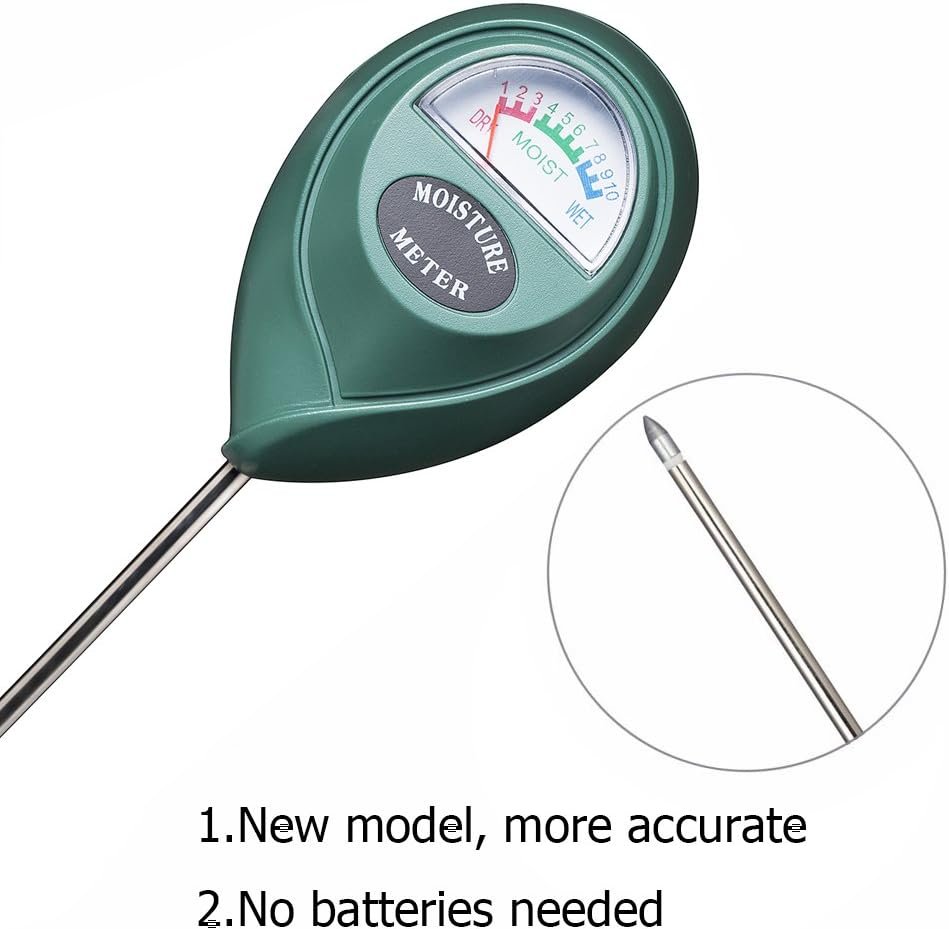
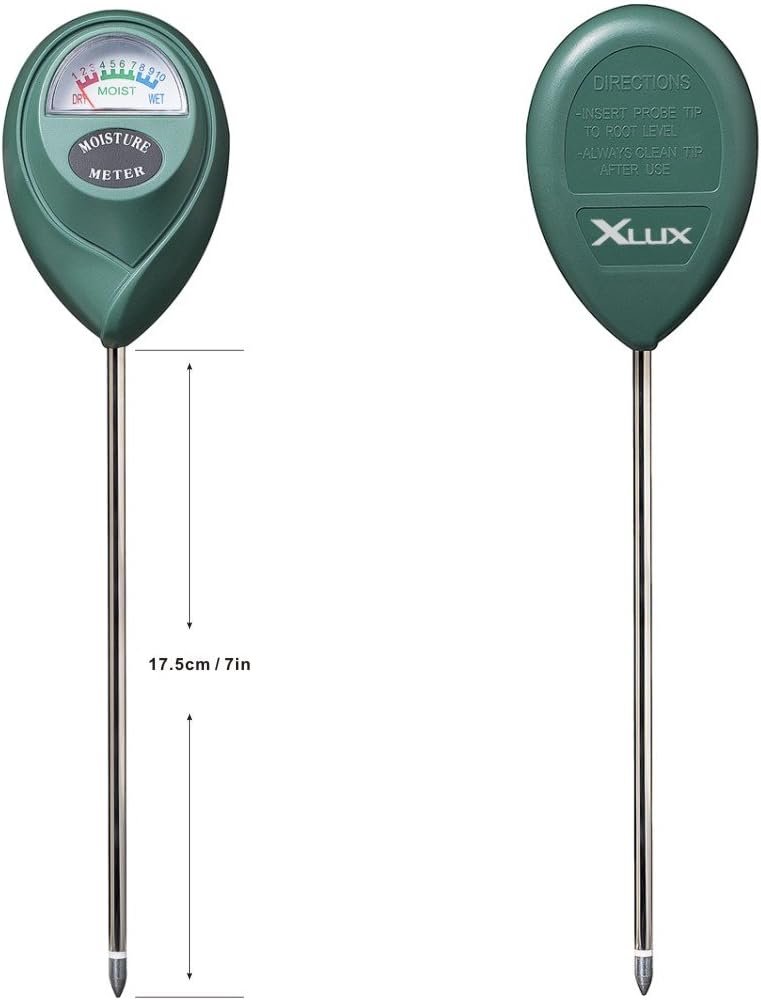
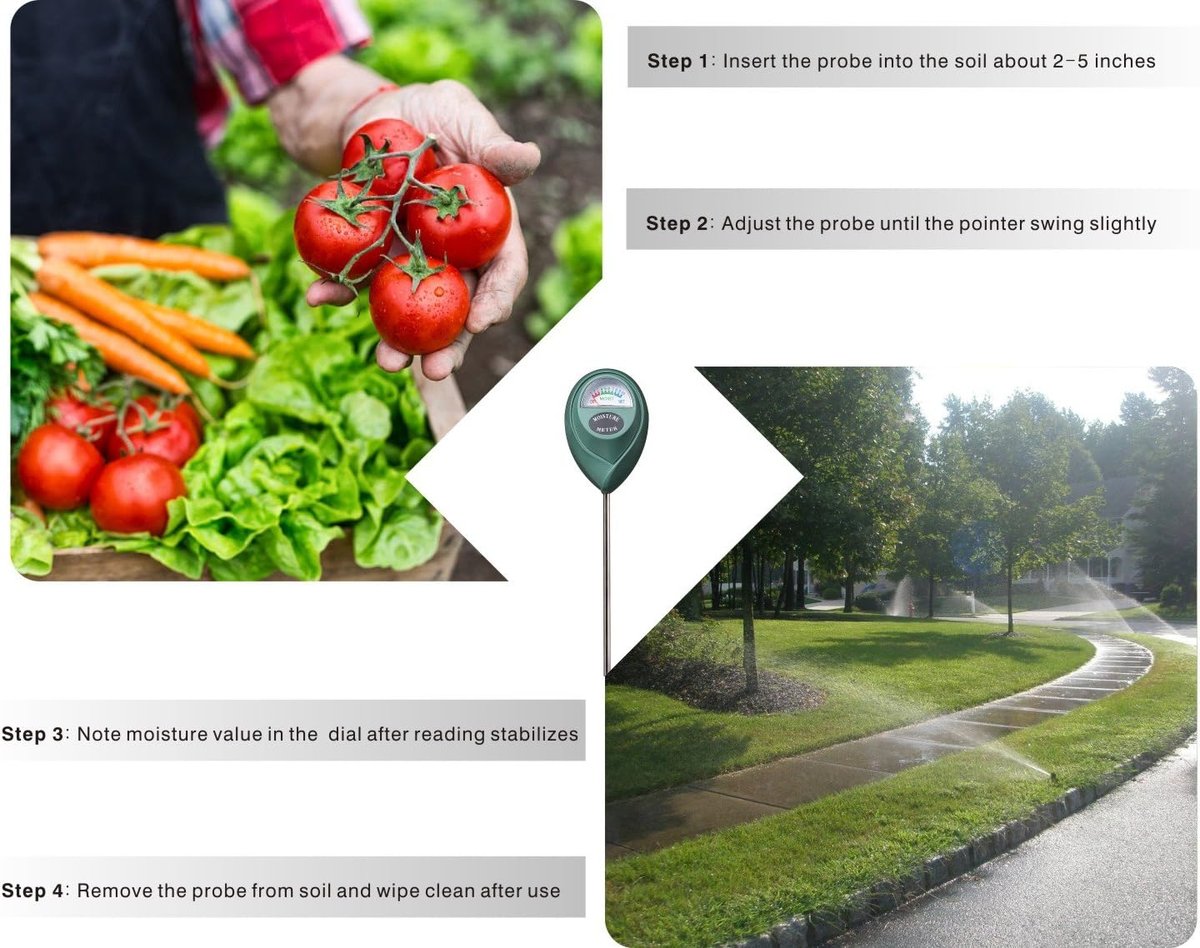
The XLUX Soil Moisture Sensor Meter is a solid budget option for checking whether your garden beds, pots, or site landscaping need water. At around $20 for a two-pack, it's hard to argue with the value. But there are reasons you might want something different. If you're managing irrigation across a larger property or commercial site, you may need digital readouts, data logging, or smart connectivity rather than a simple analogue dial. Some users find the probe length limiting for deeper-rooted plants or raised beds with thick mulch layers. And if you're after a single premium unit rather than two basic ones, or you need to measure pH and light as well, the XLUX won't cover those bases. Here's what else is worth considering.
Alternative 1: Digital soil moisture meter with LCD display
Digital meters replace the analogue dial with a clear LCD screen showing a numerical moisture percentage. They typically run on a small button cell battery and offer more precise readings that are easier to interpret at a glance—handy when you're checking multiple beds quickly on a job site or advising a client on their irrigation schedule.
When to choose it
- You want a specific percentage reading rather than a "dry-wet" scale
- You're documenting soil conditions for clients or maintenance records
- You prefer a backlit screen for use in shaded areas or early mornings
The tradeoff
Battery dependency means another consumable to track, and digital units typically cost $25–$50 for a decent one. Build quality varies widely at the budget end, so check reviews for sensor durability before buying.
Alternative 2: 3-in-1 soil tester (moisture, pH, light)
These combination meters add pH level and light intensity readings to the moisture function. For landscapers speccing plant selections or gardeners troubleshooting why certain species aren't thriving, having all three metrics in one tool saves carrying multiple devices. Most still work without batteries by using the soil's own conductivity for moisture and pH readings.
When to choose it
- You're advising on plant placement and need to assess multiple soil factors
- You're setting up new garden beds and want baseline readings before planting
- You prefer one tool over three separate devices
The tradeoff
Jack-of-all-trades often means master of none. The pH readings on budget 3-in-1 units are generally less accurate than dedicated pH meters, and the light sensor is fairly basic. Expect to pay $20–$40 for a reasonable model. If pH accuracy matters for your application, a dedicated soil pH test kit may still be necessary.
Alternative 3: Smart soil sensor with app connectivity
Bluetooth or Wi-Fi enabled soil sensors connect to your phone and log moisture, temperature, and sometimes nutrient levels over time. Products in this category—often marketed for smart gardens or greenhouse monitoring—let you set alerts when soil drops below a threshold. For commercial growers, nurseries, or property managers overseeing multiple sites, the data logging and remote monitoring can justify the higher price.
When to choose it
- You're managing irrigation schedules across multiple properties or zones
- You want historical data to optimise watering and reduce water bills
- You're integrating with smart irrigation controllers or home automation systems
The tradeoff
These units typically run $50–$150 each and require batteries or solar charging. You're also dependent on app quality—some manufacturers have patchy software support or discontinue apps after a few years. Check that the brand has a track record before investing.
Alternative 4: Long-probe moisture meter for deep soil
Standard probes sit around 15–20cm, which works for most garden beds. But if you're dealing with established trees, deep-rooted natives, or raised beds with heavy mulch, a long-probe meter (30–40cm or more) reaches the actual root zone where moisture matters. These are typically analogue units similar to the XLUX but with extended probes.
When to choose it
- You're checking moisture around trees, shrubs, or deep-rooted perennials
- Your beds have thick mulch or gravel that a short probe can't penetrate properly
- You're assessing soil drainage at depth for landscaping projects
The tradeoff
Long probes are more prone to bending if you hit rocks or compacted soil. They're also less practical for shallow pots and seedling trays where a standard probe does the job. Expect to pay $25–$45 for a quality long-probe unit.
Side-by-side comparison
| Option | Best for | Typical price (AUD) | Watch out for |
|---|---|---|---|
| XLUX Soil Moisture Meter (2-pack) | Budget-conscious gardeners, quick spot checks | $20 | Analogue dial less precise; standard probe length only |
| Digital moisture meter with LCD | Users wanting numerical readings and documentation | $25–$50 | Requires batteries; variable build quality at budget end |
| 3-in-1 soil tester (moisture, pH, light) | Landscapers and gardeners assessing multiple soil factors | $20–$40 | pH accuracy often mediocre; light sensor basic |
| Smart soil sensor with app | Commercial growers, property managers, data-driven irrigation | $50–$150 | App dependency; battery or charging required |
| Long-probe moisture meter | Deep-rooted plants, thick mulch, tree irrigation | $25–$45 | Probes can bend; overkill for pots and shallow beds |
Our pick for most tradies and small businesses
For landscapers, garden maintenance crews, and property managers doing routine moisture checks across residential or light commercial sites, the XLUX two-pack remains excellent value. You get a spare for the ute or to hand to an apprentice, and the no-battery design means it's always ready when you need it. If you're quoting on new garden installations and want to impress clients with soil data, step up to a digital meter or 3-in-1 tester—the extra professionalism can help close jobs. And if you're running a nursery, managing irrigation on acreage, or need to track conditions over time, invest in a smart sensor with app logging—the water savings and efficiency gains will pay for itself within a season or two.